13 restaurants, 300 employees, and one clockster: the Chayla Group workforce management case
Here is the professional English translation with the same clear, informative tone: In this article, we will share how Chayla Group — a network of 13 restaurants with more than 500 employees — automated its workforce management processes using clockster. You will learn how the system helps maintain discipline, accelerates HR operations, and brings full transparency to both management and staff.
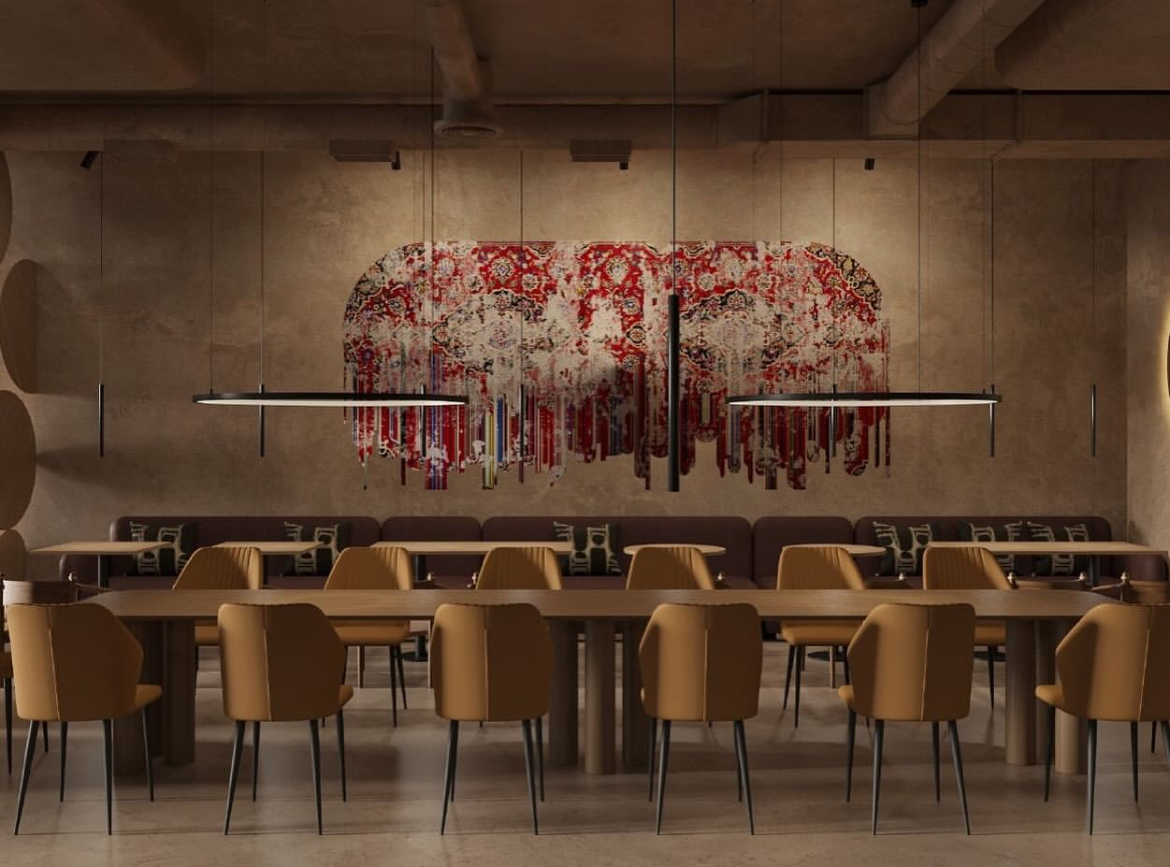
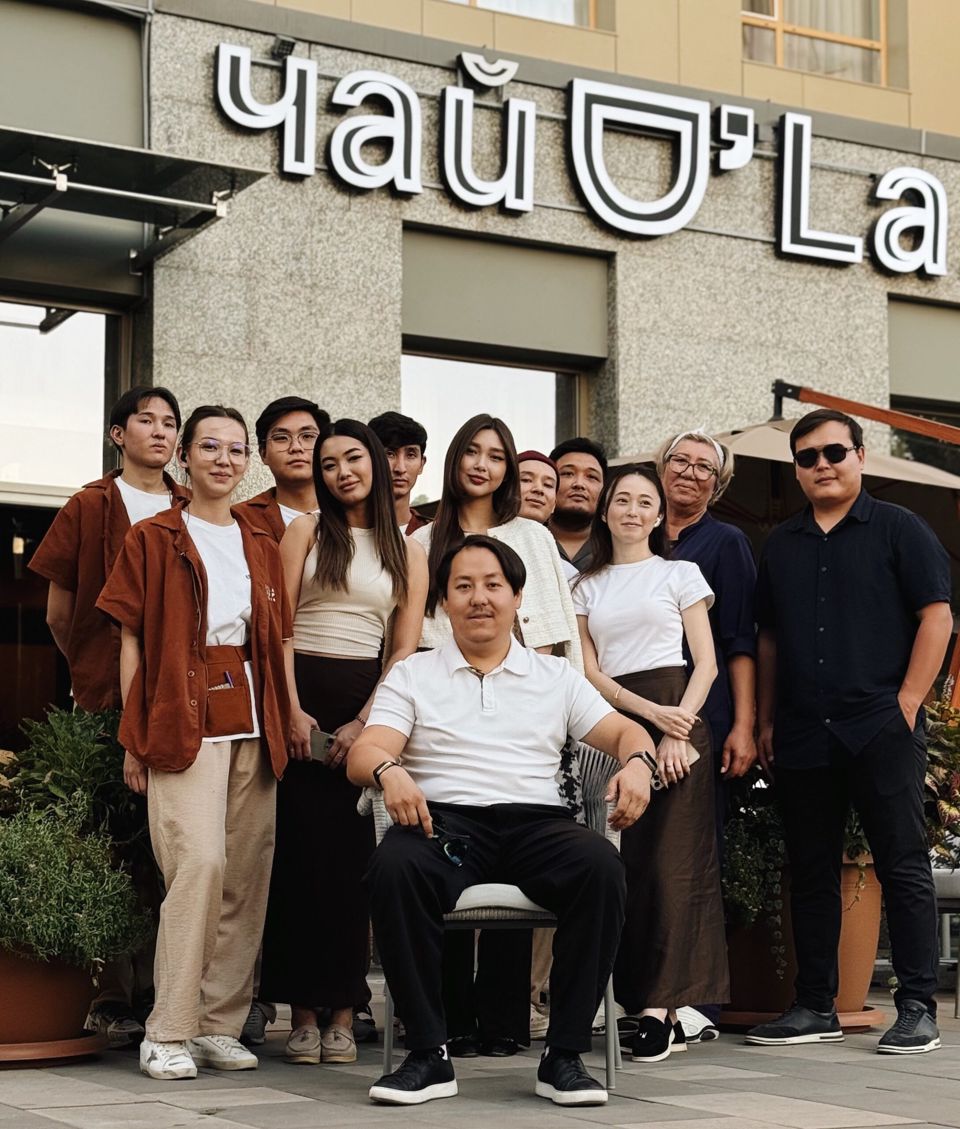
Chayla Group is one of the most notable restaurant chains in Kazakhstan. Today, the brand operates 13 restaurants and employs over 500 people, making it a significant player in the HoReCa market. Large-scale projects, diverse concepts, and a sizable team require well-structured processes and modern workforce management tools.
For clockster, partnering with Chayla Group became a natural continuation of our work with well-known, fast-growing brands in HoReCa. We understand the specifics of the restaurant industry and know exactly which tools help manage shifts, discipline, and attendance in this sector. That’s why Chayla Group is not an experiment for us, but a confident partnership where we clearly understand how to bring real value. It is an honor for us to work with such a company and be part of its growth.
Operations “Before”: tracking without transparency
Around 300 staff members from Chayla Group’s restaurant units are connected to clockster—precisely those teams where discipline and attendance directly affect service quality and financial results.
Before the system was implemented, attendance was recorded using a basic Excel sheet and photo reports in a group chat. Floor administrators and kitchen chefs marked who showed up for the shift, and left the cell blank if someone was absent. For payroll calculations, this approach was just enough, but it did not provide a full picture.
Previously, the timesheet only captured the basic fact of whether an employee arrived for a shift. Tracking exact arrival times, lateness, or early departures was impossible.
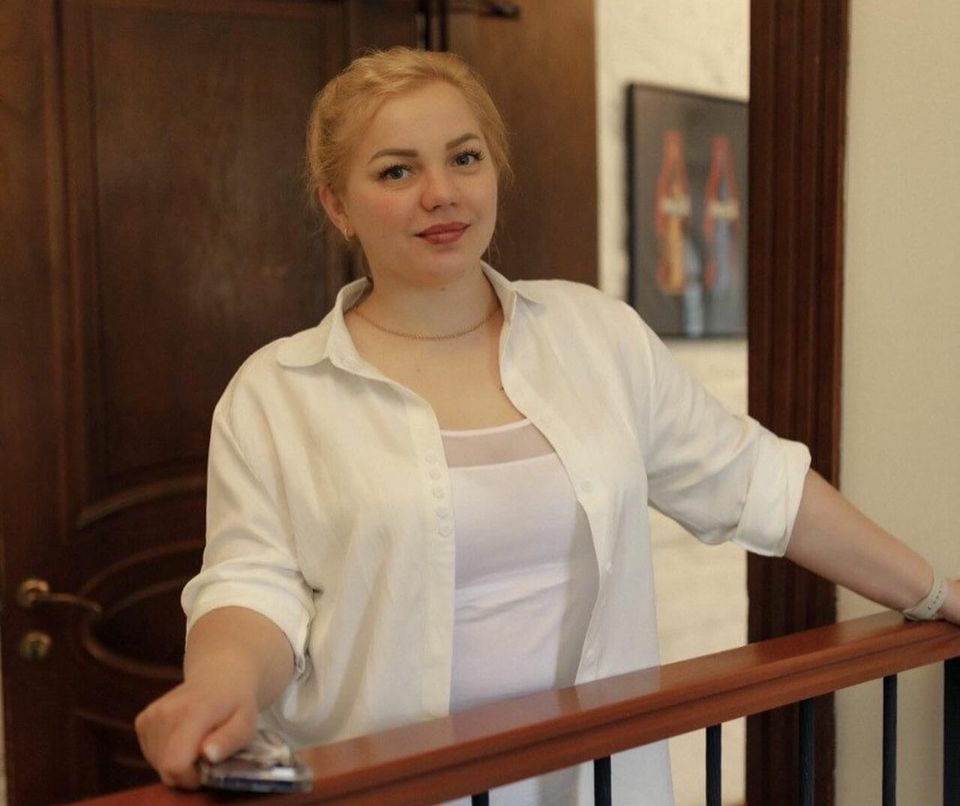
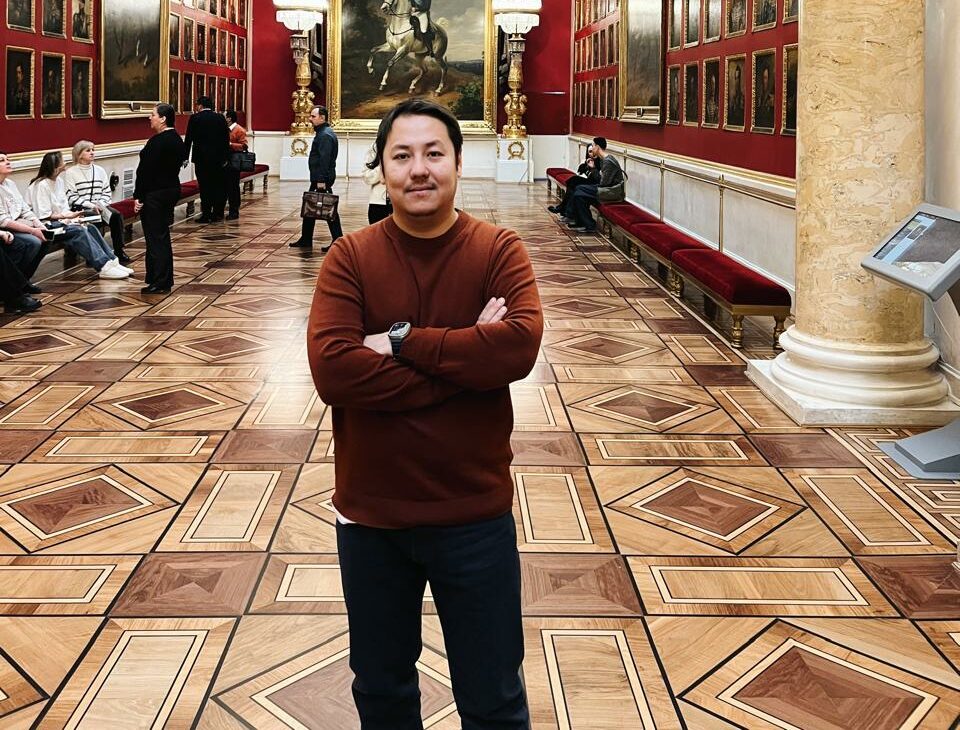
Diana Melikova, HR Director, Chayla Group
This was the main challenge. The restaurants operate from early morning until late at night, while the General Manager follows a flexible schedule that may not align with opening hours. The team was not left without supervision—during the manager’s absence, discipline was ensured by the shift manager.
For a small chain, this format could still work. But once the company grew beyond ten restaurants and hundreds of employees, trust and Excel spreadsheets were not enough. There was a need for tools that could ensure objectivity where previously only a conditional list of shift attendances existed.
Workforce management in HoReCa: discipline as the foundation of the business
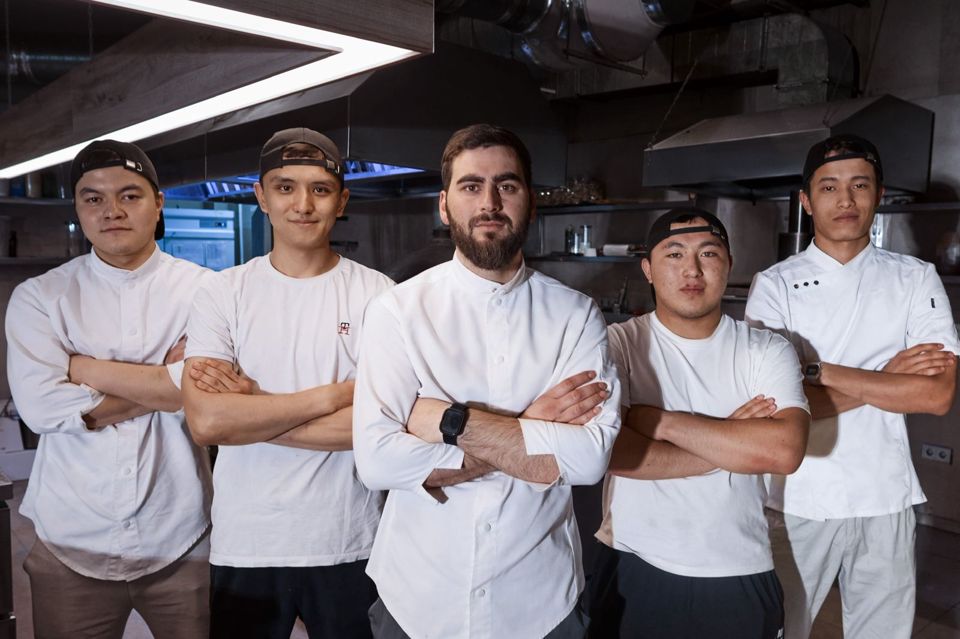
In the restaurant industry, workforce management is not a formality—it directly impacts daily revenue. Hundreds of employees come to work every day, and their discipline determines whether the restaurant opens on time, guests receive service without delays, and the team handles high traffic efficiently.
HoReCa has its own strict rhythm. Some Chayla Group restaurants open as early as 8 AM for breakfast service, while others close at 3 AM. Each employee has a shift schedule designed to avoid burnout. But the schedule isn’t random—it reflects customer demand, and any deviation immediately affects both service and revenue.
Discipline for us is not just a checkmark in a timesheet or a photo report. It directly reflects how smoothly a restaurant operates: if guests have to wait longer, it affects their experience and the restaurant’s revenue.
Diana Melikova, HR Director, Chayla Group
When a network includes more than a dozen restaurants and hundreds of employees, it’s important not only to record attendance, but to see the full picture: who completed their shift, where replacements happened, and how the workload is distributed.
This is why Chayla Group decided to automate workforce management and build processes that no longer depend on human factors.
clockster tools: a new management culture
With clockster, a single unified standard of transparency and accurate data was introduced across the entire restaurant chain.
Attendance tracking. All check-ins are now captured in the system with geolocation. For employees, this means fairness and clarity. For managers, it provides real-time visibility of what is happening across all shifts.
Scheduling. Managers can create and adjust schedules directly on their phones. Employees can check their shifts anytime—morning, evening, day off, or workday. In a fast-paced restaurant environment, where schedules shift constantly, this clarity is critical.
Timesheets and reports. What previously required manual data collection—without clear visibility into lateness or overtime—is now generated in minutes. Reports are available in various breakdowns: by branch, position, or individual employees.
Requests system. Shift swaps, days off, schedule adjustments, and even forgotten check-ins are now handled directly through the app. An employee submits a request, the manager approves it, and the information is instantly recorded. No calls or chats required.
clockster became not just a tool, but the company’s “single source of truth.” If earlier lateness could be reported through personal complaints or verbal comments, now everything is visible in the app. This reduced tension within teams: employees know that discipline is based not on opinion, but on objective data accessible to everyone.
Results: clarity, speed, and trust
After implementing the system, Chayla Group gained what had been missing—transparency and predictability. Discipline is no longer a matter of informal agreements; it became part of the company culture. Lateness decreased, shifts became more stable, and restaurants now open on time—leading directly to better service and stronger revenue.
For the HR team, speed became one of the most significant improvements. What used to take days of verification now takes minutes, with full visibility by branch, job role, or employee. This allows management to make data-driven decisions instead of relying on assumptions.
For employees, clockster is equally important. Everyone can access their schedule, hours worked, and shift history. This protects staff in disputable situations and reinforces a sense of fairness.
Today everything is simpler. We open the dashboard and instantly see who checked in, who was late, and who didn’t show up. Previously this took half a day of calls and follow-ups. Employees also value this transparency—they see their own data, their hours, their shifts. It builds trust and eliminates unnecessary questions. People feel the system works fairly.
Diana Melikova, HR Director, Chayla Group

Scaling and the future of the partnership
For a network of 13 restaurants, clockster has become part of the operational infrastructure. Today, every new location is connected to the system from day one, ensuring transparency and discipline from the start—without trial-and-error.
clockster is a solution I can confidently recommend to fellow restaurant operators. It helps optimize work hours, reduces unnecessary routine, and makes team management more efficient and transparent. For our company, it’s not just a service—it’s a reliable assistant in daily HR processes.
Diana Melikova, HR Director, Chayla Group
For us, the partnership with Chayla Group is another confirmation that HoReCa is a segment where clockster brings maximum value. We are proud to support such a strong team and to contribute to their growth. We are confident that ahead lie new projects and shared achievements.