Integra Construction KZ × Clockster: Managing discipline and KPI for 450+ employees in a large-scale construction company
How does a major construction company manage 450+ workers across dozens of remote sites? Aizhan Kuderbayeva, Head of Recruitment at Integra Construction KZ, explains how they replaced manual spreadsheets with Clockster to save 4 days of work every month and boost discipline by 45%.
Karina Dargulova
2026 ж. 10 нау.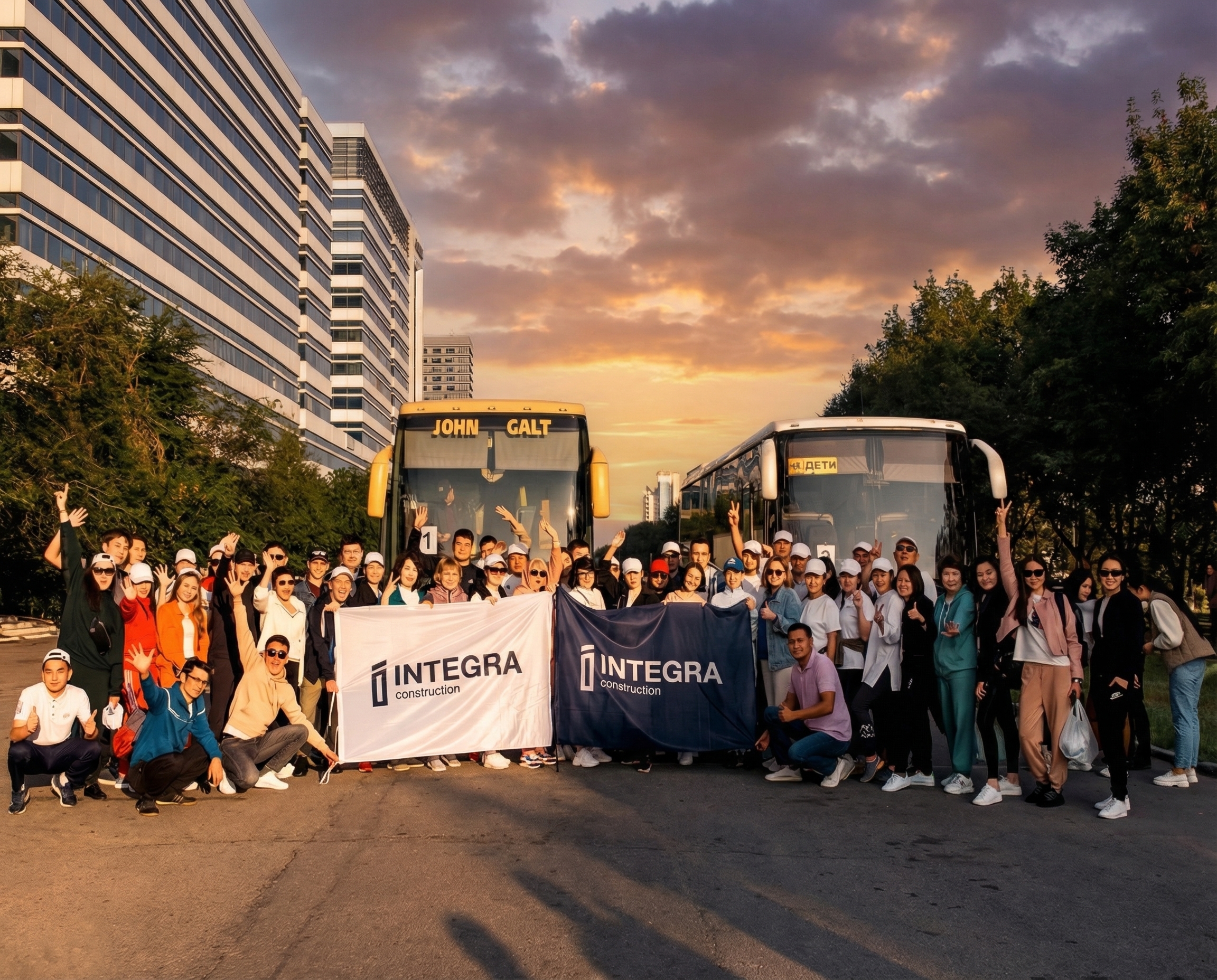
Integra Construction KZ is one of Kazakhstan’s largest infrastructure contractors, specializing in railways, highways, bridges, hydraulic structures, and industrial facilities. Operating since 1998, the company manages projects across the Republic of Kazakhstan and beyond its borders. In 2023, Integra implemented Clockster to manage its frontline workforce — starting with corporate offices and key construction sites, followed by further scaling. Here is an interview with Aizhan Kuderbayeva, Head of Recruitment and Onboarding.
Why did Integra need HR automation in construction?
— Aizhan, how did the story with Clockster begin, and what is the current scale of the system within your company?
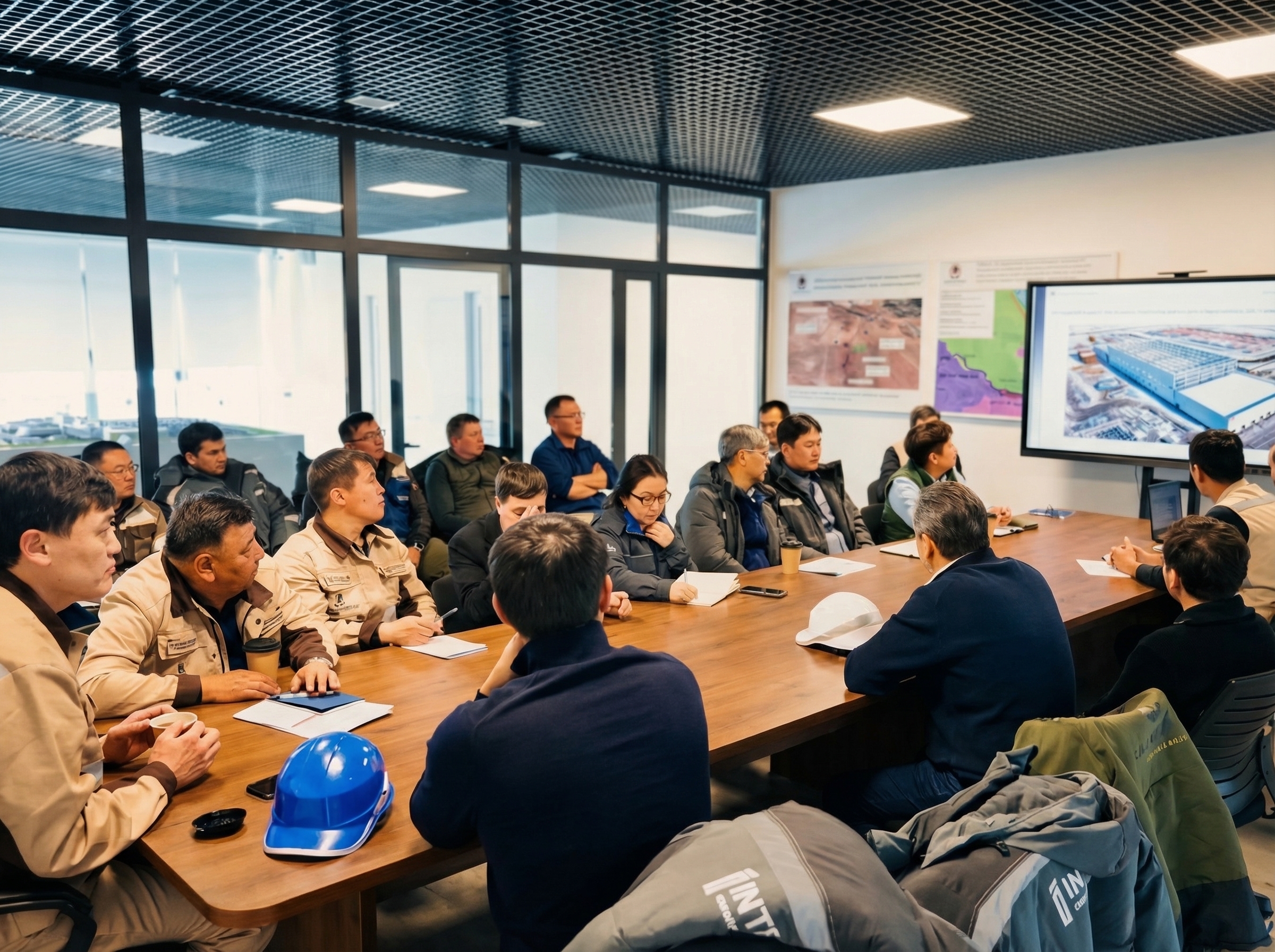
— We have been working with Clockster for two years now. We started with the areas where the operational load was highest: the corporate office and key construction sites. At the start, it was crucial for us to test the system in real-world conditions and establish transparent processes for time and attendance tracking.
Currently, about 450 employees are connected to the system — this represents the core of our frontline and office personnel, whose schedules and discipline we manage daily. However, the total headcount at Integra Construction KZ is seasonal and can reach several thousand people during peak periods.
— Why was automation specifically critical for Integra Construction KZ? What result were you looking for?
— For us, automation wasn’t just about “convenience”; it was about controllability and transparency. In construction, you deal with a large frontline workforce, geographically distributed sites, and seasonal peaks. Under these conditions, manual control quickly loses its effectiveness: the risk of errors grows, operational speed drops, and tracking discipline or productivity becomes much harder.
— Given the specific nature of a construction site: how do the employees actually clock in?
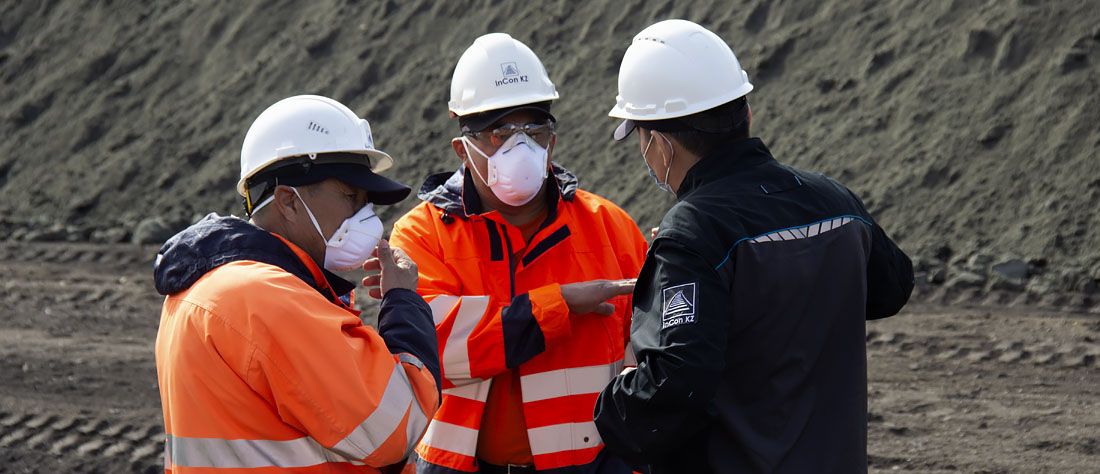
— In the office, we primarily use biometric devices with facial recognition. On-site, employees use the mobile app; where necessary, we install biometric hardware. If someone forgets to clock in, we use a “correction request” process—this helps instill a sense of discipline.
Schedules, Reporting, and Data Tracking
— Aizhan, how exactly are the processes structured within Integra Construction KZ? Who creates the schedules, and how centralized is the process?
— Schedules are created by the HR manager because every employee goes through the HR department. When we hire someone, we add them to the system, upload their photo, and explain how the system works. We typically use a standard five-day workweek, but there are temporary changes—for example, if someone works six days a week or follows a reduced schedule. In those cases, the manager approves the adjustments and records them in the system. This keeps everything transparent: the supervisor sees the up-to-date schedule, and the employee can track their shifts via the mobile app.
— How do you handle time tracking and report preparation?
— At the end of each month, we export a labor discipline report from Clockster, broken down by branches, job titles, or specific employees. The system allows us to see actual hours worked, late arrivals, overtime, unexcused absences, and other deviations from the schedule.
— What specific metrics are included in the KPIs, and how does Clockster affect the calculations?
— Compliance with the established work schedule directly impacts the variable part of an employee’s salary. Our time tracking is inherently linked to the KPI system: employees understand that discipline affects their income, while managers receive an objective and transparent overview of each department. For a company of Integra Construction KZ’s scale, this is fundamentally important — gathering such data manually would take significantly more time and would not provide this level of accuracy.
— How do you manage business trips, sick leaves, vacations, and other types of absences?
— In Clockster, employees independently record all types of absences: business trips, vacations, sick leaves, and temporary passes. If someone is not at their workplace, we immediately see the reason in the system — without any additional phone calls or messaging. If an employee needs to take sick leave or apply for a vacation, they submit a request through the system, and HR, the department head, and the payroll office receive a notification.
This way, the information is recorded centrally and remains transparent for all involved parties. This is especially important for us since Integra Construction KZ has a large number of employees and sites located in different regions. Managing business trips is particularly convenient: the system records the route, dates, and approval stages, and a separate report can be generated once the trip is completed.
— So, effectively, you have eliminated manual tracking?
— Essentially, yes. We have moved away from manual tracking as our primary tool. Previously, much of the data was recorded in spreadsheets or through personal messages—this was time-consuming and carried a high risk of error. Now, time tracking, absences, and disciplinary deviations are managed centrally within the system. This has significantly reduced the volume of manual work and minimized the impact of the “human factor.”
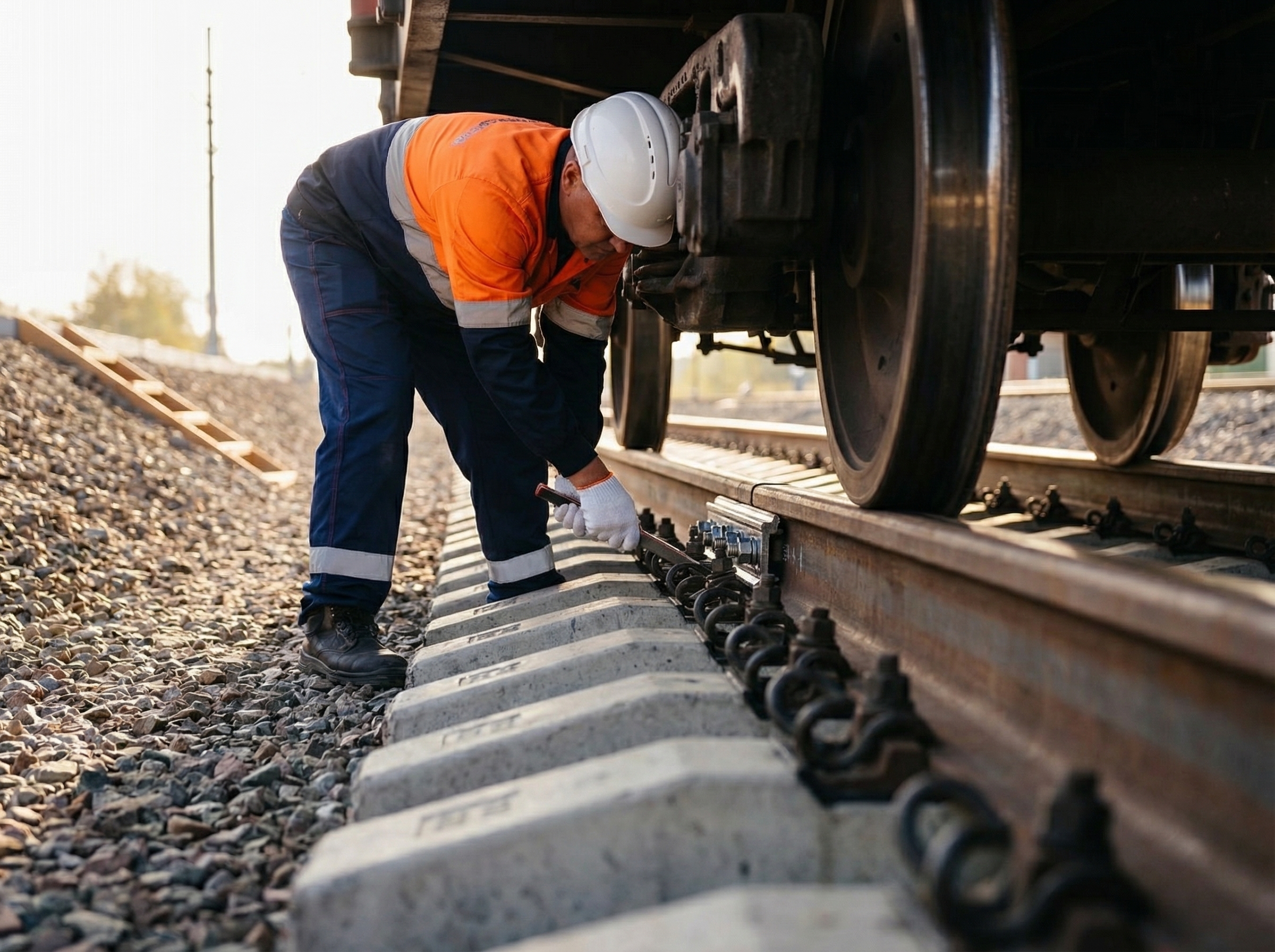
Integrity of Records and a New Culture of Discipline
— A construction company always involves dozens of locations and complex logistics. How did you ensure that the records reflect the actual situation on-site?
— With Clockster, it’s quite simple: a clock-in is only possible within a location that is assigned to a specific construction site or office. If someone tries to clock in from a different place, the system will not allow it. We see the actual location, so there is no possibility of a “clocking in from home” scenario.
— HR professionals often say that while automation improves discipline, it can also cause anxiety among employees. How has it been for you?
— Quite the opposite — the anxiety existed before. When tracking was manual, we were constantly asked to verify records: did the person actually show up, were they being honest? Our security team even had to review camera footage. That creates an atmosphere of distrust. Now, there is only one source of truth — Clockster. And it’s not even seen as a “check” anymore, but as a standard. The system records facts, not opinions, and everyone sees the same data. This isn’t about surveillance; it’s about objectivity and order. People feel that everything is fair and follows the rules, which has made things much calmer for both HR and the employees.
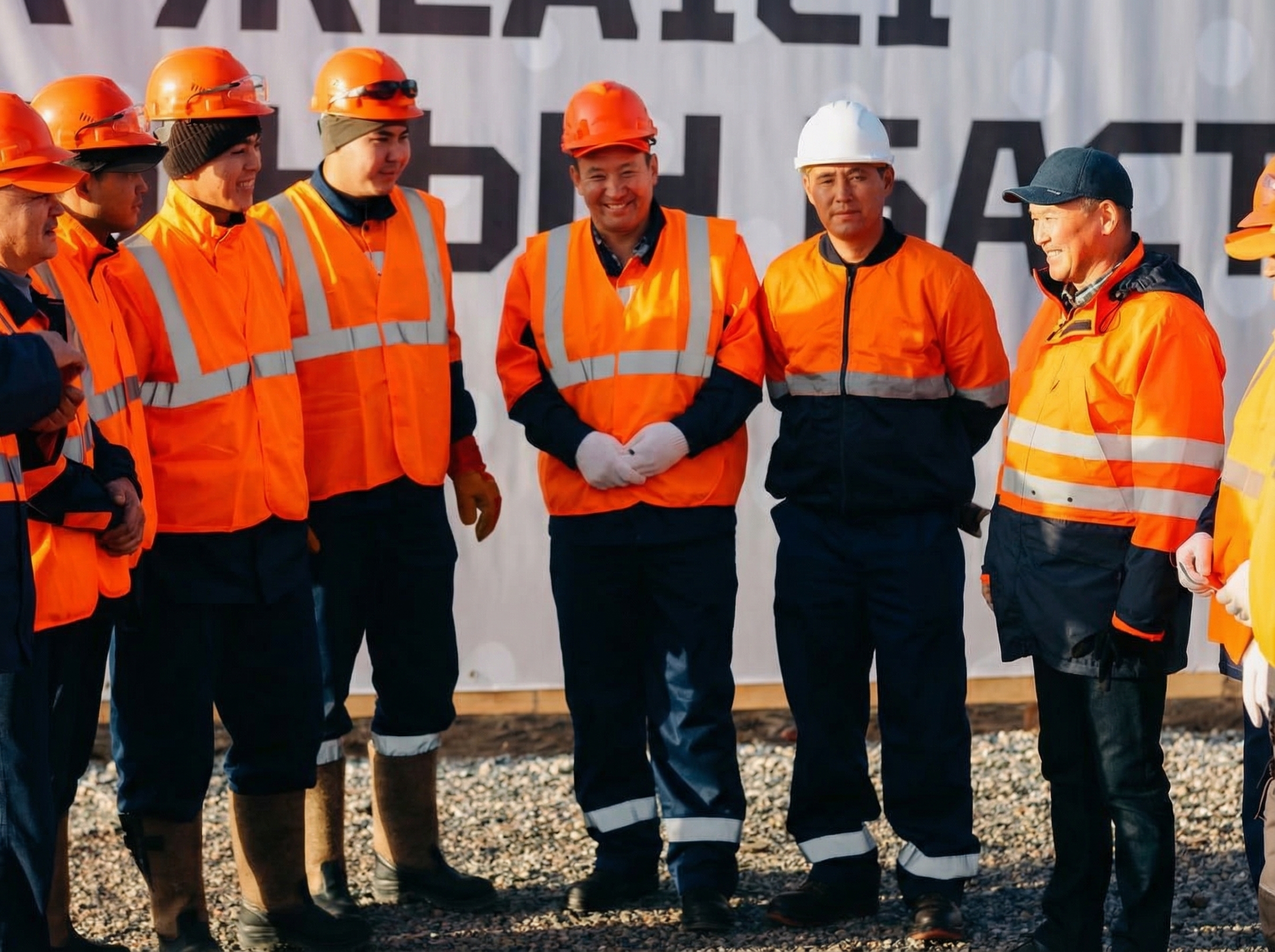
— Has the internal culture changed since implementing Clockster?
— Significantly. Previously, discipline relied on personal agreements and constant reminders, especially at the construction sites. Now, we have clear standards: if there is a record in Clockster, everything is under control. The number of disputed situations has decreased by approximately three times, and late arrivals have dropped by 45–50%. The system has become part of our corporate culture: it’s not about punishment, it’s about simplification. Employees track their own records because they understand that the data is shared and transparent.
Results: Speed, Order, and Data Integrity
— Aizhan, what has changed in your daily work since implementing Clockster? What do you see in practice?
— The most tangible results are speed and data confidence. Previously, preparing timesheets took a full working week: we had to verify attendance across sites and wait for confirmations from supervisors. Now, exporting the data takes just a couple of minutes, and the complete calculation is finished in 1–2 days. Clockster saves us approximately four full working days per month just on closing the timesheets.
Furthermore, errors have been eliminated: previously, discrepancies in calculations could reach 5–7 man-days, but now everything is recorded automatically without the need for manual corrections.
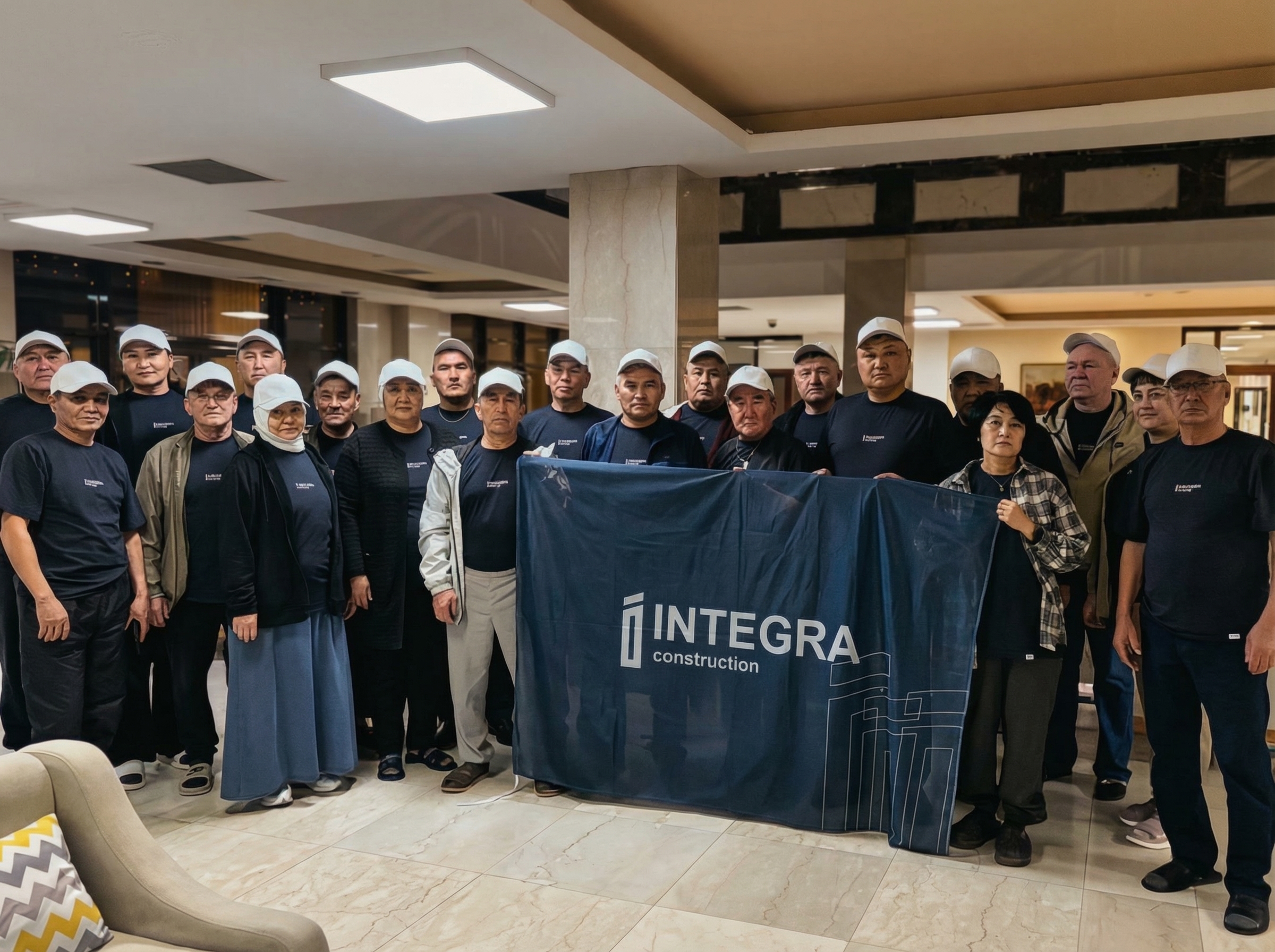
— What do you consider to be the main result of this implementation for the company as a whole?
— It is order and transparency. The “manual factor” has been eliminated: if a person shows up for work, the record is there; if they don’t, it’s clearly visible. Both HR and management see the exact same data, which has increased trust both within the team and at the executive level. Even our audits now run more smoothly — all data is stored in the system and can be exported for any period. This has become a quality standard for Integra.
— How has Clockster affected performance metrics?
— The impact is very noticeable. Our discipline-related KPIs have increased by an average of 40–45%. This is significant: when the system is transparent and everyone can see their own logs, violations decrease. Now, department heads can see who consistently meets their requirements and who is frequently late, allowing them to make timely adjustments. At the same time, no one is being “policed” — everything is recorded automatically. It is a fair system, and the employees appreciate that.

For the Clockster team, working with Integra Construction KZ is a prime example of how modern tools can seamlessly integrate into even the most large-scale and technologically complex sectors, such as construction.
We are thrilled to be part of this journey and take great pride in the fact that Clockster helps Integra Construction KZ maintain order in human resource management, accelerate internal processes, and uphold a high standard of discipline across all levels of the organization.
Our client use-case articles are further proof that order and transparency are not constraints—they are the very foundation of growth. It is an honor for us to be part of your path and to help your team grow together with Clockster.

Anel Zakarina
2023 ж. 20 қыр.
Anel Zakarina
2023 ж. 24 қаз.